
Business
Most equipment failures don’t happen suddenly.
They build quietly.
A slight increase in vibration.
A gradual rise in temperature.
Usage patterns that drift just outside safe limits.
The signals are there — long before failure occurs.
The problem is that traditional maintenance systems aren’t designed to listen.
Downtime Isn’t Just a Mechanical Problem
In industrial and aviation environments, unexpected equipment failure carries a heavy price.
Downtime disrupts production.
Delays ripple through supply chains.
Safety risks increase.
Maintenance costs climb — often without warning.
Yet most organizations still depend on one of two outdated approaches:
- Reactive maintenance, where action happens after something breaks
- Preventive maintenance, where servicing follows fixed schedules
Both were built for a world without real-time data.
Reactive maintenance is expensive and disruptive.
Preventive maintenance is cautious — but inefficient, often replacing parts that still have useful life.
What modern operations need is something else entirely.
They need foresight.
When Assets Begin Speaking for Themselves
Predictive maintenance changes the relationship between teams and machines.
By combining RFID and IoT, organizations move from scheduled assumptions to continuous awareness.
RFID gives every asset a digital identity.
IoT sensors monitor its condition — temperature, vibration, pressure, runtime, load, and more.
Analytics systems systems interpret this data in real time.
Together, they create an ecosystem where assets no longer wait for inspection.
They report their health continuously.
Maintenance stops being a guess.
It becomes a decision — supported by evidence.
From Maintenance Cycles to Maintenance Intelligence
With RFID and IoT in place, maintenance is no longer triggered by calendars or breakdowns.
It’s triggered by what the equipment is actually telling you.
Real-Time Equipment Health Awareness
RFID connects physical assets to live condition data, giving teams instant visibility into performance and risk — across facilities, fleets, and sites.
Condition-Based Maintenance Scheduling
Instead of maintaining equipment “just in case,” tasks are initiated precisely when data indicates wear, degradation, or abnormal behavior.
Smarter Spare Parts Planning
Predictive insights ensure the right parts are available at the right time — avoiding excess inventory while preventing maintenance delays.
Remote Monitoring and Early Alerts
IoT sensors work continuously, triggering alerts when thresholds are crossed — enabling action before failure disrupts operations.
Complete Asset Lifecycle Insight
RFID maintains a full history of each asset: usage, servicing, failures, repairs, and upgrades — supporting informed decisions about repair, replacement, or optimization.
What Changes When Downtime Becomes Predictable
When maintenance becomes intelligent, operations begin to feel different.
Unplanned downtime decreases.
Equipment lasts longer.
Maintenance costs stabilize.
Teams spend less time firefighting and more time improving.
Most importantly, leaders regain confidence.
Confidence that:
- Problems won’t appear without warning
- Assets are performing as expected
- Maintenance decisions are defensible
- Operations are under control
Predictive maintenance doesn’t just reduce costs.
It removes uncertainty.
Why Predictive Maintenance Matters Now
As industries adopt Industry 4.0 principles, connected operations are no longer optional.
Assets are becoming more complex.
Operational tolerance for downtime is shrinking.
Safety and compliance expectations are rising.
Organizations that continue to rely on reactive or schedule-based maintenance will always be one failure away from disruption.
RFID and IoT provide a smarter foundation — one where reliability is engineered into daily operations.
Conclusion: From Fixing Problems to Preventing Them
Predictive maintenance is not about technology alone.
It’s about changing how organizations think about reliability.
With RFID and IoT, assets are no longer silent.
They communicate.
They warn.
They guide action.
At TracTeck, we help organizations move from reactive responses to intelligent foresight — turning maintenance into a strategic advantage, not a cost center.
Because the most successful operations don’t just respond faster.
They fail less often.
Frequently Asked Questions (FAQs)
- How does RFID support predictive maintenance?
RFID assigns a digital identity to each asset, linking it to condition data collected by IoT sensors — enabling accurate tracking and health monitoring. - Can RFID and IoT operate in harsh or industrial environments?
Yes. Industrial-grade tags and sensors are built for extreme temperatures, vibration, outdoor exposure, and demanding conditions. - Which assets benefit most from predictive maintenance?
High-value, mission-critical assets such as industrial machinery, aviation equipment, vehicles, power infrastructure, and production tools. - Does predictive maintenance reduce costs?
Yes. It reduces unplanned downtime, avoids unnecessary servicing, extends asset lifespan, and improves workforce efficiency. - Can these systems integrate with existing platforms?
Absolutely. RFID and IoT integrate with ERP, CMMS, and analytics systems for centralized monitoring and reporting. - Is predictive maintenance scalable across multiple locations?
Yes. RFID and IoT solutions scale easily across sites with centralized dashboards and real-time visibility.
FAQS
How does RFID support predictive maintenance?
- RFID assigns a digital identity to each asset, linking it to condition data collected by IoT sensors — enabling accurate tracking and health monitoring.
Explore Our Latest Insights
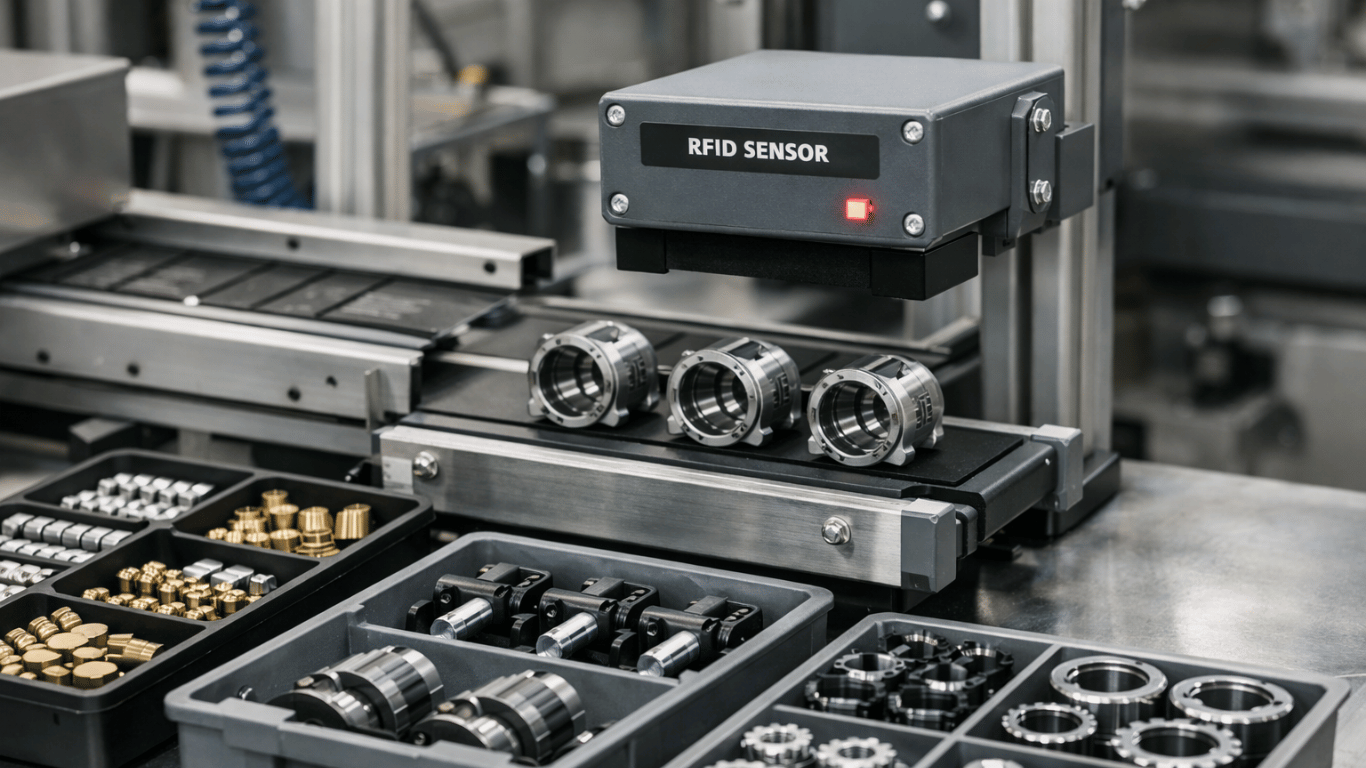

April 3, 2025
Advanced RFID Military Asset Tracking for Defense Operations
Is your military tracking system battle-ready? Discover how TracTeck’s RFID solutions can streamline your logistics. Let’s talk! What if military…
Read More
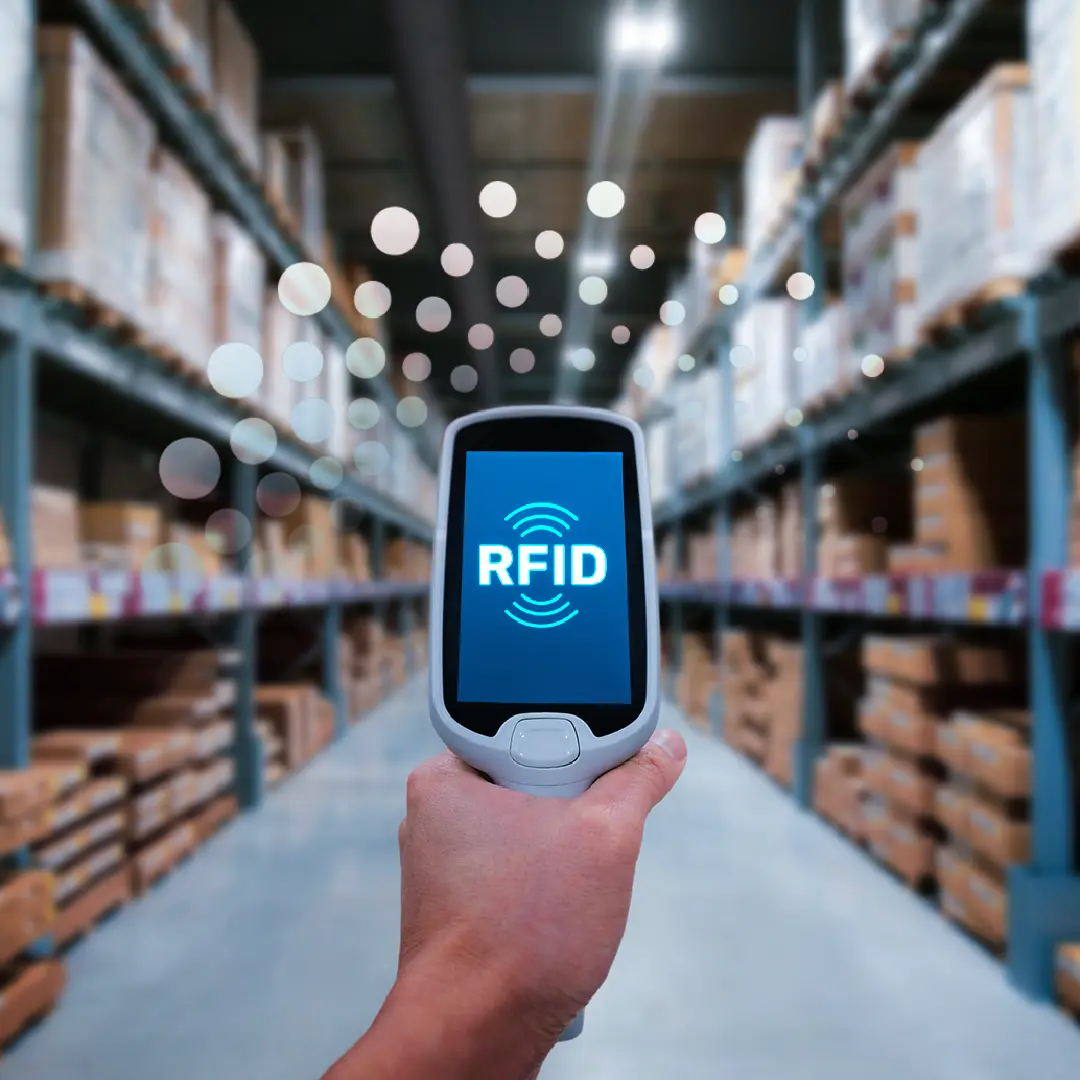
June 17, 2025
Beyond Barcodes: Why RFID Is the Future of Smart Tracking
Barcode systems were revolutionary, but they’re no longer enough. In today’s hyper-connected economy, businesses can’t afford delays, errors, or blind…
Read MoreCan RFID and IoT operate in harsh or industrial environments?
Yes. Industrial-grade tags and sensors are built for extreme temperatures, vibration, outdoor exposure, and demanding conditions.
Which assets benefit most from predictive maintenance?
High-value, mission-critical assets such as industrial machinery, aviation equipment, vehicles, power infrastructure, and production tools.
Does predictive maintenance reduce costs?
Yes. It reduces unplanned downtime, avoids unnecessary servicing, extends asset lifespan, and improves workforce efficiency.
Can these systems integrate with existing platforms?
Absolutely. RFID and IoT integrate with ERP, CMMS, and analytics systems for centralized monitoring and reporting.
Is predictive maintenance scalable across multiple locations?
Yes. RFID and IoT solutions scale easily across sites with centralized dashboards and real-time visibility.