Logistics
Fleet management is becoming more advanced as logistics and transportation companies look for better visibility, efficiency, and operational control. Traditional fleet monitoring methods often rely on manual updates or delayed reporting, which can make it difficult to track vehicles, manage deliveries, and respond quickly to operational issues.
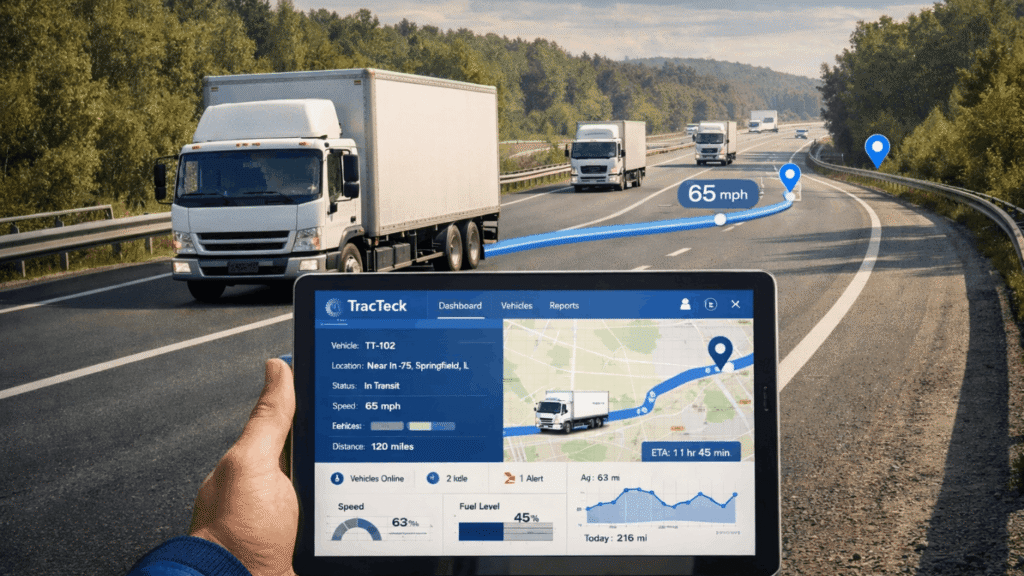
Real-time tracking technologies are transforming how fleets are managed. By providing live data on vehicle location, movement, and operational status, businesses can make faster decisions and improve overall logistics performance.
Technologies such as the Global Positioning System (GPS) allow fleet managers to monitor vehicles continuously, helping them optimize routes, reduce delays, and ensure timely deliveries.
Consider a common scenario in logistics operations.
A fleet manager responsible for coordinating dozens of delivery trucks receives a call from a customer asking about a delayed shipment. Without real-time tracking, the manager may need to contact the driver, check dispatch records, and manually confirm the vehicle’s location. This process can take valuable time.
With real-time fleet tracking systems, the manager can instantly view the truck’s location, identify traffic conditions, and provide the customer with an accurate delivery update within seconds.
What Is Real-Time Fleet Tracking?
Real-time fleet tracking is a system that allows logistics companies to monitor the location, movement, and status of vehicles continuously using technologies such as the Global Positioning System and Radio Frequency Identification. These systems provide live vehicle data through digital dashboards, enabling businesses to manage transportation operations more efficiently.
Why Is Real-Time Tracking Important for Fleet Management?
As supply chains become more complex, logistics companies require greater visibility into their fleet operations. Real-time tracking systems provide continuous updates on vehicle locations and operational status, enabling companies to monitor deliveries from dispatch to destination.
With real-time visibility, fleet managers can quickly identify delays, respond to unexpected issues, and maintain smooth operations across multiple vehicles and routes. This level of monitoring improves operational efficiency and ensures better service reliability.
Real-time tracking also supports better communication with customers by providing accurate delivery updates and estimated arrival times.
Studies show that companies using real-time fleet tracking systems can improve delivery efficiency by 20–30% while reducing fuel costs and operational delays.
Key Benefits of Real-Time Fleet Tracking
Real-time tracking systems offer several advantages for businesses that manage transportation fleets.
One of the main benefits is improved route efficiency. Fleet managers can identify traffic congestion, choose faster routes, and reduce delivery delays.
For example, a logistics company managing deliveries across multiple cities may experience frequent delays due to traffic congestion. With real-time tracking insights, the operations team can quickly redirect drivers to alternate routes, helping them maintain delivery schedules and reduce fuel usage.
Another important benefit is fuel optimization. By monitoring vehicle routes and idle times, businesses can reduce unnecessary fuel consumption and operational costs.
Driver safety and accountability also improve with tracking systems. Fleet managers can monitor driving behavior, including speed and route compliance, helping encourage safer driving practices.
Real-time tracking also enhances asset security. Companies can quickly detect unauthorized vehicle movement and take action to prevent potential losses.
What Technologies Are Driving the Future of Fleet Management?
Modern fleet management systems rely on a combination of technologies that provide accurate tracking and automated monitoring.
GPS technology plays a critical role by enabling real-time vehicle location tracking. Fleet managers can view vehicle positions on digital dashboards and track movement throughout the day.
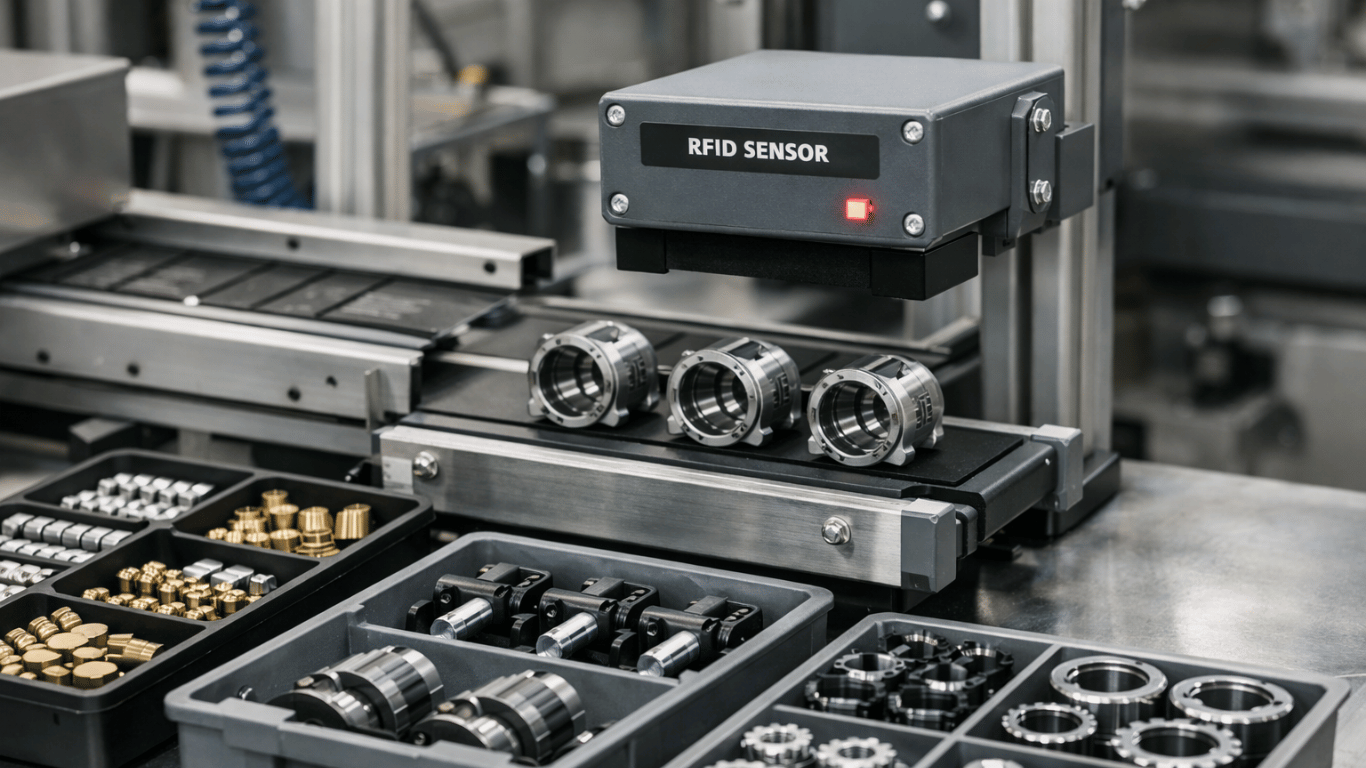
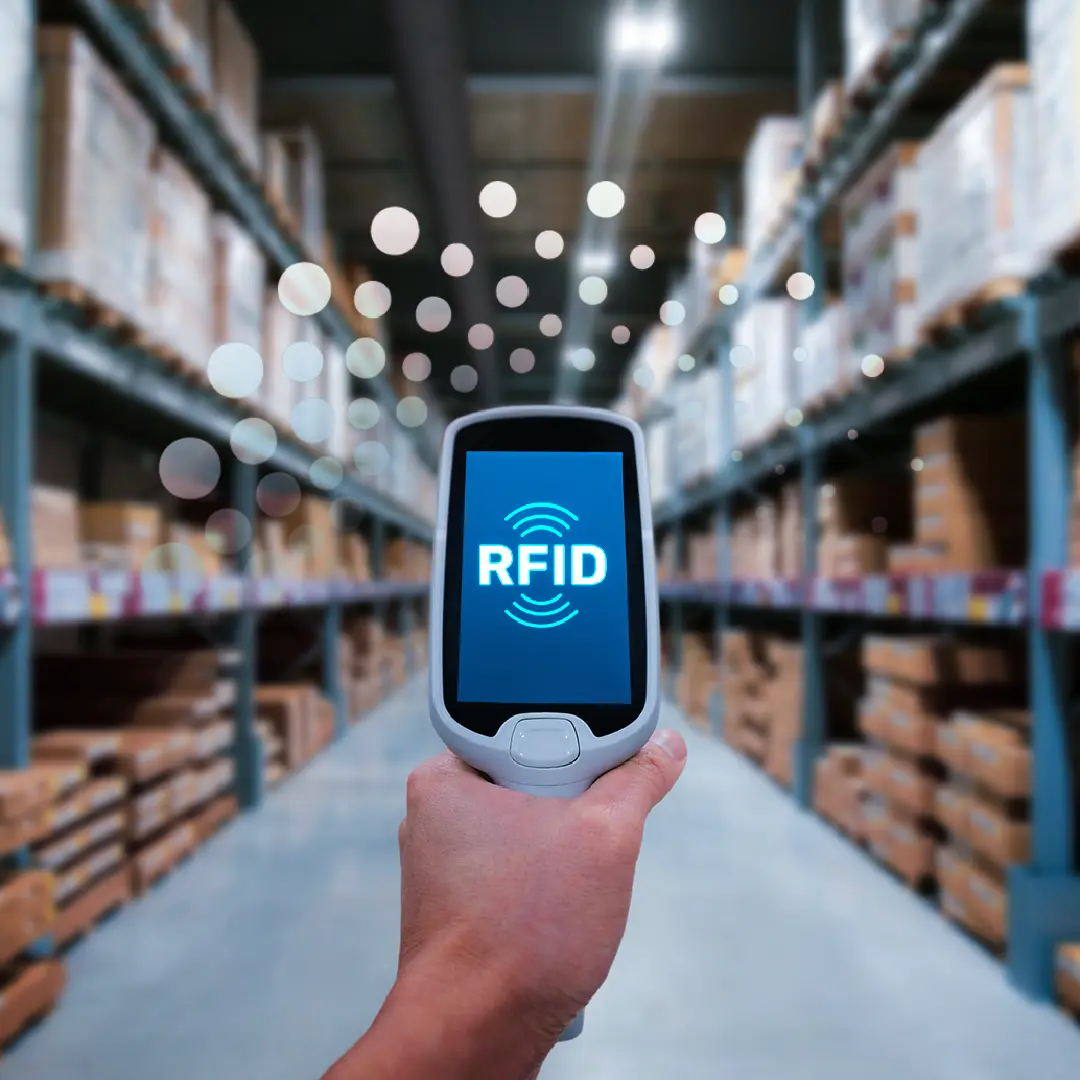
Another important technology shaping fleet management is Radio Frequency Identification (RFID). RFID uses wireless tags and readers to automatically identify and track vehicles, cargo, and assets without manual scanning.
RFID technology allows logistics companies to capture real-time data when vehicles enter or exit facilities such as warehouses, distribution centers, or loading docks. This automation improves operational efficiency by reducing manual data entry and minimizing tracking errors.
For instance, when a delivery truck arrives at a warehouse gate, RFID readers can automatically detect the vehicle and record its entry without manual verification. This reduces delays at checkpoints and ensures accurate movement records for vehicles and cargo.
When combined with GPS tracking and fleet management software, RFID helps create a more connected and intelligent fleet management ecosystem.
Improving Operational Efficiency with Smart Tracking
Smart tracking systems provide businesses with valuable operational insights. By analyzing fleet data, companies can identify patterns in delivery times, fuel usage, and vehicle performance.
This information allows logistics teams to optimize routes, improve scheduling, and reduce operational costs.
Smart fleet tracking also supports predictive maintenance. By monitoring vehicle performance and usage patterns, companies can schedule maintenance before issues lead to breakdowns or service disruptions.
These improvements help organizations maintain reliable transportation operations and reduce downtime.
Why Logistics Companies Are Adopting Smart Fleet Tracking
The logistics industry is moving toward more data-driven and automated operations. Real-time tracking systems provide the visibility and control required to manage large fleets efficiently.
As businesses continue to expand their delivery networks, technologies like GPS, RFID, and intelligent tracking platforms will play an increasingly important role in improving fleet performance.
Organizations that adopt advanced tracking systems will be better positioned to reduce costs, improve delivery reliability, and enhance customer satisfaction.
Conclusion
The future of fleet management depends on technologies that provide real-time visibility, automation, and data-driven insights. Real-time tracking systems help businesses monitor vehicle movements, optimize routes, and improve operational efficiency.
Solutions like TracTeck are helping logistics companies implement smarter fleet management strategies by leveraging Radio Frequency Identification (RFID) technology for accurate vehicle and asset tracking.
By using RFID-enabled tracking systems, TracTeck provides better visibility into fleet operations, improves logistics efficiency, and helps organizations build more reliable and intelligent transportation networks.
FAQs
What is real-time fleet tracking?
Real-time fleet tracking allows businesses to monitor vehicle locations and movements continuously using technologies like Global Positioning System (GPS). Solutions such as TracTeck provide dashboards that help fleet managers track vehicles and manage deliveries efficiently.
How does RFID improve fleet management?
Radio Frequency Identification (RFID) helps automatically identify and track vehicles, cargo, or assets using wireless tags and readers. TracTeck uses RFID technology to provide accurate tracking and automate vehicle entry, exit, and asset monitoring.
Why is real-time tracking important for logistics companies?
It improves fleet visibility, enables faster decision-making, and helps companies manage deliveries more efficiently.
Can RFID and GPS work together in fleet tracking?
Yes. GPS tracks the real-time location of vehicles, while RFID helps identify vehicles or assets at specific checkpoints. TracTeck combines these technologies to provide complete fleet visibility.
Is fleet tracking suitable for all types of logistics businesses?
Yes. Fleet tracking systems can be customized to suit transportation companies of different sizes and operational needs.
Explore Our Latest Insights

April 3, 2025
Advanced RFID Military Asset Tracking for Defense Operations
Is your military tracking system battle-ready? Discover how TracTeck’s RFID solutions can streamline your logistics. Let’s talk! What if military…
Read More
June 17, 2025
Beyond Barcodes: Why RFID Is the Future of Smart Tracking
Barcode systems were revolutionary, but they’re no longer enough. In today’s hyper-connected economy, businesses can’t afford delays, errors, or blind…
Read More