
Business, Tracking
RFID for Airport Ground Operations (GSE): Enhancing Safety, Visibility, and Efficiency
Airport ground operations are the backbone of smooth and safe aviation services. From baggage carts and tow tractors to ground power units and refueling vehicles, Ground Support Equipment (GSE) must always be available, compliant, and in the right location. However, airports and ground handling teams often face challenges such as misplaced equipment, delayed aircraft turnaround,...
Business, Tracking
RFID Tracking in Automotive Plants for Better Efficiency
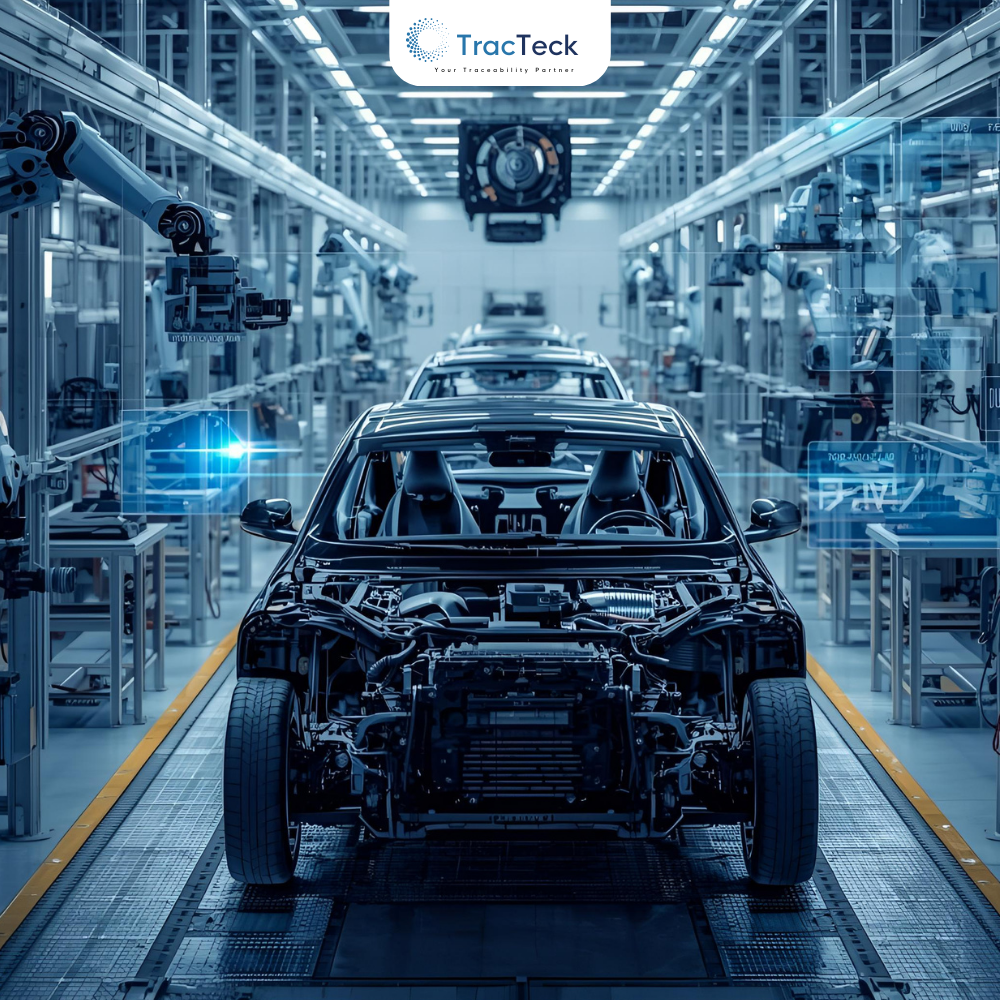
Automotive manufacturing runs on precision. Thousands of components move in perfect sequence. Tools must be calibrated. Stations must stay balanced. A single missing part or misplaced tool can slow an entire line, inflate costs, or trigger compliance issues. In a high‑volume environment, there’s no margin for guesswork. That’s why leading automotive manufacturers are turning to...
Business, Tracking
RFID for Pharmaceutical Quality Assurance in Air Cargo
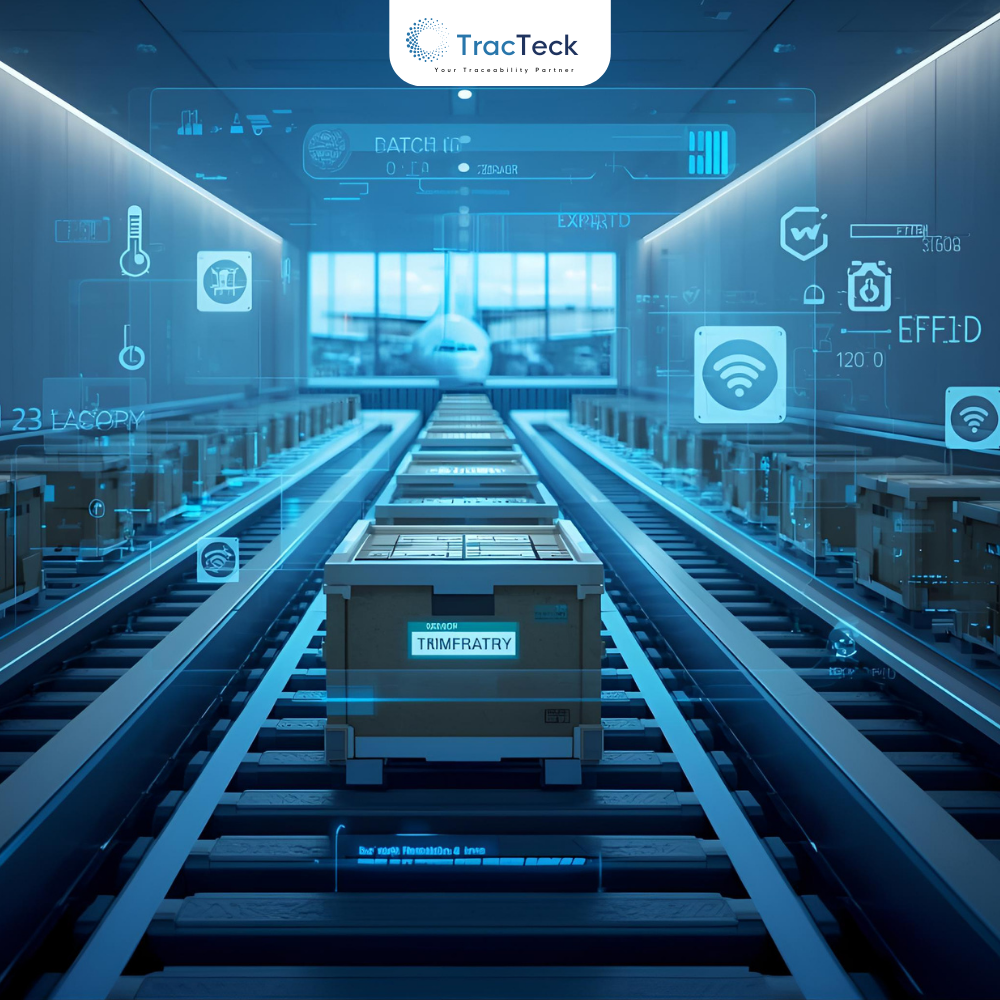
Pharmaceutical air cargo operates in a world where there is no room for error. Vaccines, biologics, temperature‑sensitive medicines, and high‑value drugs travel thousands of kilometers in tight time windows. A short delay on the tarmac, a few minutes outside a cold zone, or a missed handover can compromise an entire shipment. The result isn’t just...
Business, Tracking
RFID in Aviation Disaster Response & Emergency Management
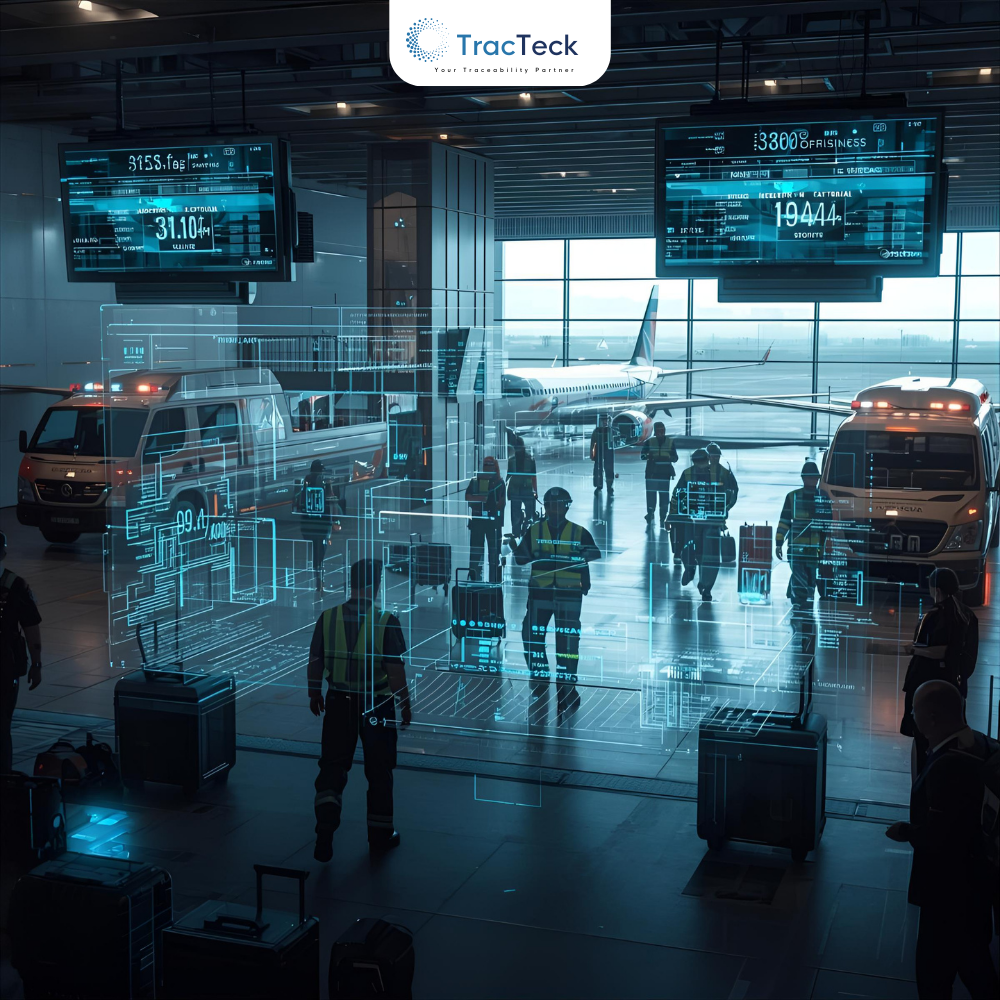
Aviation emergencies demand speed, clarity, and absolute control. Whether it’s a technical failure, runway closure, medical crisis, security threat, or natural disaster, airport teams must respond instantly — with the right people, equipment, and information. RFID creates a digital layer that supports fast decision-making during high-pressure events. By automating identification, tracking personnel and equipment, and...
Business, Tracking
How to Implement RFID for Cold Chain Storage Audits in Aviation
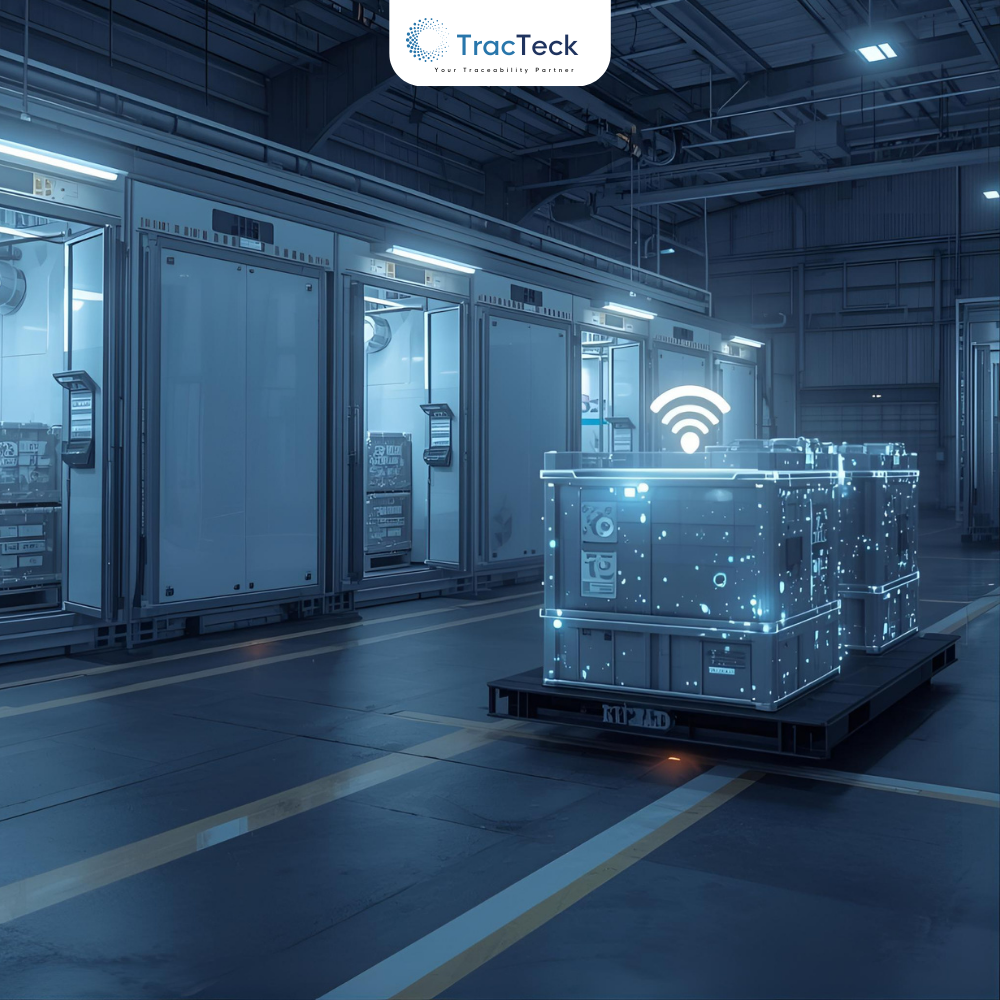
Aviation moves some of the world’s most sensitive cargo — vaccines, pharmaceuticals, lab samples, perishables, and temperature-critical maintenance materials. Every item needs to be tracked, verified, and protected at every stage. But traditional methods like manual checks and barcode scans simply can’t keep up with the volume and compliance demands of today’s aviation logistics. RFID...
Tracking
RFID for High-Value Asset Protection: Strengthening Control, Security, and Operational Reliability
RFID for High-value assets represent a significant portion of operational investment across industries such as healthcare, construction, logistics, corporate offices, and manufacturing. These assets include specialized tools, diagnostic devices, IT hardware, calibration equipment, industrial machinery, and transport-critical materials. Protecting these resources is essential for maintaining operational continuity, preventing financial loss, and ensuring compliance with internal...

Tracking
How RFID Improves Accuracy and Speed in Warehouse Receiving Operations
Warehouse receiving has become one of the most time-sensitive operations in modern supply chains. With rising order volumes, tighter delivery schedules, and increased expectations for real-time accuracy, businesses can no longer rely solely on manual verification or barcode-driven processes. Mistakes made at the receiving dock spread across the entire warehouse cycle, affecting storage, picking, dispatching,...

Tracking
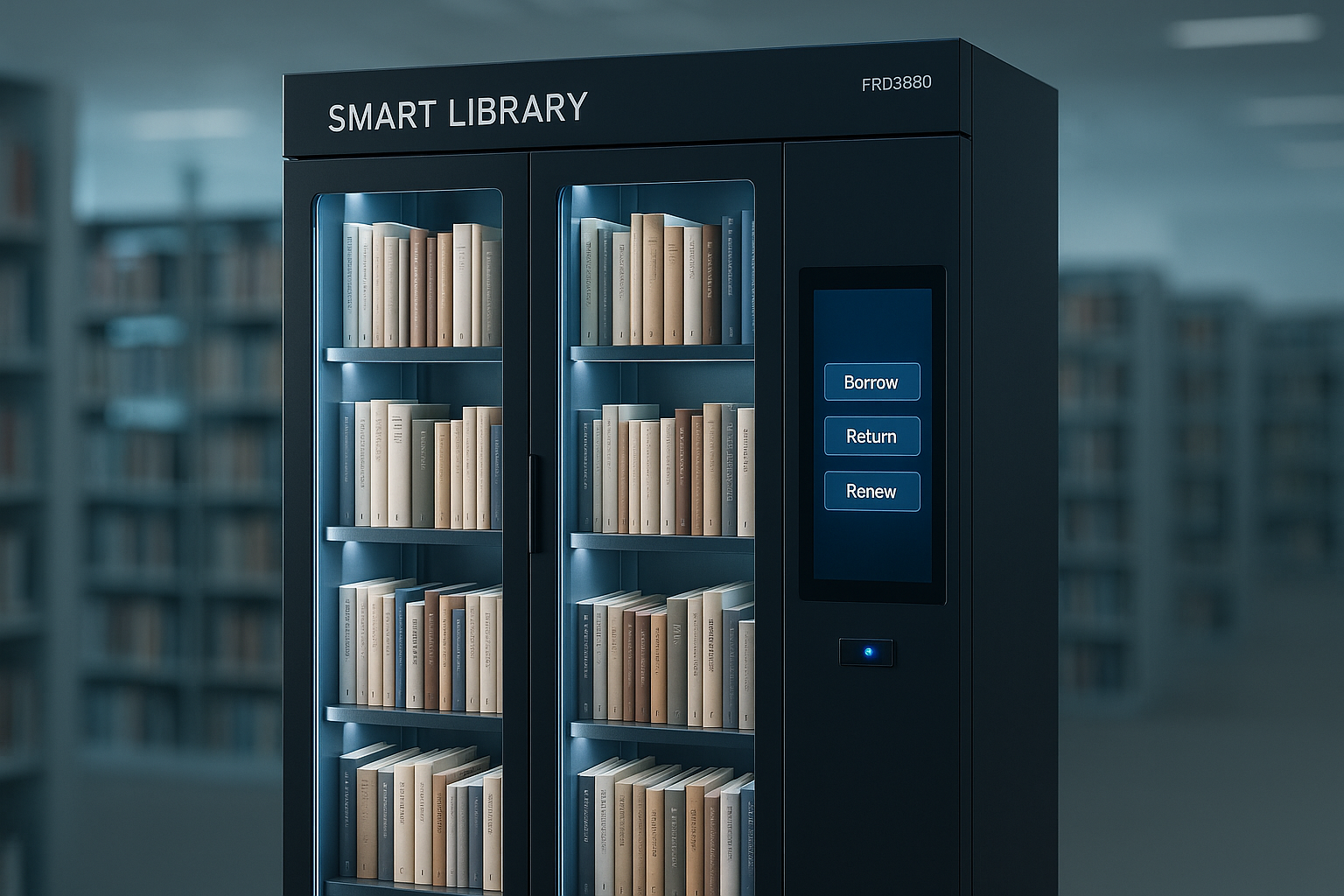
Showcasing RFID’s Role in Automating Attendance, Access, and Book Tracking in Schools
Schools today are not just centers of learning. They are fast becoming smart ecosystems powered by technology. From attendance to library management, every task can be simplified and made more efficient. One technology leading this transformation is RFID (Radio Frequency Identification). RFID is already popular in logistics and healthcare, but its impact on education is...
Tracking
Exploring Eco-Friendly Efficiency and Waste Reduction with RFID
In today’s world, businesses are under pressure to do more than just perform well — they also need to perform responsibly. Sustainability has become a key goal, and technology plays a big role in helping companies reach it. One powerful tool making a real difference is RFID (Radio Frequency Identification). RFID is often seen as...

TracTeck transforms data into clarity, trust, and opportunity—revolutionizing transparency across industries with innovative RFID solutions and seamless integrations.