Logistics
Every product begins its journey long before it reaches a customer. From warehouse storage to transportation and final delivery, each stage depends on accurate data and seamless coordination.
Without proper visibility, even small disruptions can lead to delays, misplaced shipments, and operational inefficiencies.
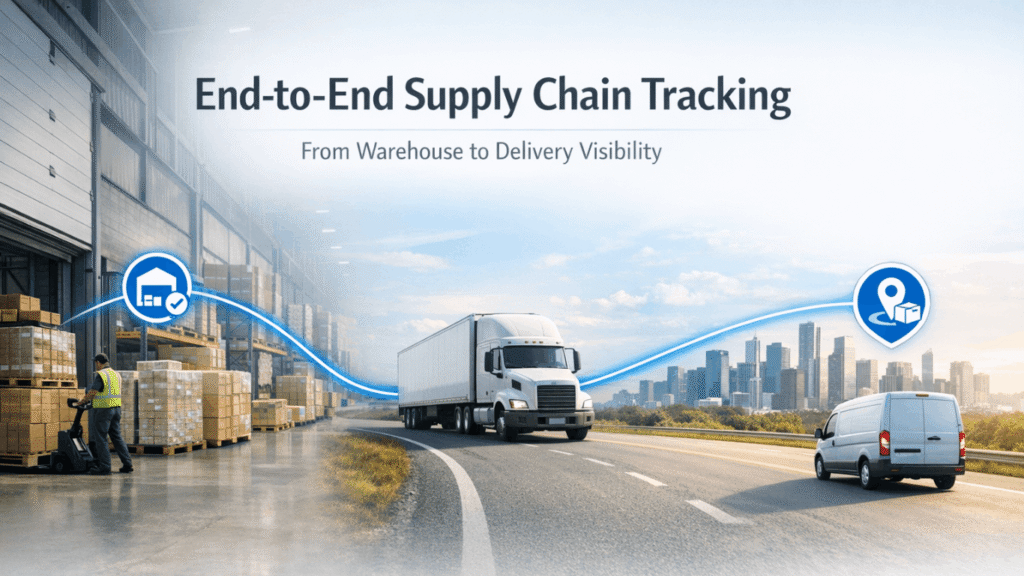
End-to-end tracking in logistics connects every stage of the supply chain into one continuous, real-time system—giving businesses complete control from origin to delivery.
What is End-to-End Tracking in Logistics?
End-to-end tracking is the process of monitoring products from the moment they leave the warehouse until they reach the final delivery destination.
It provides continuous visibility across:
- Warehouse operations
- Shipment movement
- Distribution centers
- Final delivery
This ensures businesses always know where their shipments are and can respond quickly to disruptions.
How Does End-to-End Tracking Improve Supply Chain Visibility?
End-to-end tracking improves visibility by integrating all logistics stages into a unified system.
With real-time insights, businesses can:
- Track inventory and shipments continuously
- Identify delays at any stage
- Make faster, data-driven decisions
- Improve coordination between teams
This eliminates blind spots and keeps operations aligned.
Why Do Businesses Need End-to-End Tracking in Logistics?
Businesses need end-to-end tracking to manage increasing supply chain complexity and customer expectations.
Key benefits include:
- Reduced operational errors
- Faster issue resolution
- Improved delivery accuracy
- Better inventory control
- Increased customer transparency
The Warehouse: Where Visibility Begins
The supply chain starts in the warehouse, where products are stored, picked, and prepared for shipment.
Without structured tracking:
- Items can be misplaced
- Inventory records may be inaccurate
- Picking processes become inefficient
With proper tracking systems:
- Every product is digitally recorded
- Storage locations are easily identified
- Shipments are prepared accurately
This ensures smooth operations right from the start.
Tracking Shipments During Transportation
Transportation is often the most unpredictable stage.
Real-time tracking allows businesses to:
- Monitor shipment movement
- Detect delays early
- Adjust delivery timelines
This helps maintain control even during disruptions like traffic or weather conditions.
Managing Distribution and Sorting Centers
Distribution centers act as key routing points in the supply chain.
With tracking systems:
- Shipments are verified at checkpoints
- Sorting becomes more efficient
- Misrouting is minimized
This keeps products moving toward the right destination without delays.
Improving Coordination in the Delivery Stage
The delivery stage directly impacts customer satisfaction.
With real-time tracking:
- Delivery routes can be optimized
- Accurate delivery updates can be shared
- Proof of delivery is recorded instantly
This builds trust and reliability.
Real-World Example: How Tracking Prevented a Major Delay
A mid-sized logistics company managing high-value inventory faced frequent delays due to misplaced items in their warehouse.
In one instance, a critical shipment was scheduled for same-day delivery but could not be located on time. The delay impacted customer commitments and increased operational costs.
After implementing end-to-end tracking:
- Every item was tagged and tracked in real time
- Warehouse teams could instantly locate products
- Shipment status was visible throughout transit
In a similar scenario later, the team identified a delay at a distribution checkpoint early and rerouted the shipment—ensuring on-time delivery.
This shift significantly reduced delays, improved coordination, and increased overall efficiency.
Responding to Supply Chain Disruptions
Supply chains are constantly exposed to:
- Traffic delays
- Weather disruptions
- Operational bottlenecks
Without visibility, these issues can escalate quickly.
End-to-end tracking enables:
- Early detection of problems
- Faster response times
- Reduced impact on delivery schedules
Strengthening Accountability with Data
Tracking systems create a complete movement history for every shipment.
This helps businesses:
- Analyze logistics performance
- Identify recurring issues
- Improve planning and forecasting
For example, inefficient picking processes can contribute to up to 30% of warehouse operational costs, highlighting the importance of real-time tracking.
How TracTeck Enables End-to-End Tracking
TracTeck provides a unified platform that connects warehouse operations, transportation, and delivery into a single system.
With TracTeck, businesses can:
- Track inventory and assets in real time
- Monitor shipments across routes
- Receive instant delivery confirmations
- Access centralized dashboards with actionable insights
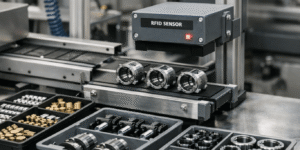
By integrating RFID, GPS, and IoT technologies, TracTeck improves visibility, reduces delays, and enhances operational efficiency.
Conclusion
As supply chains become more complex, maintaining visibility across every stage is critical.
End-to-end tracking enables businesses to monitor shipments continuously, respond to disruptions quickly, and improve overall logistics performance.
With the right system in place, organizations can reduce errors, improve coordination, and build more resilient supply chains.
Frequently Asked Questions
What is end-to-end tracking in supply chains
End-to-end tracking refers to monitoring products from the moment they leave the warehouse until they reach the final delivery destination.
How does shipment tracking improve delivery coordination
Shipment tracking provides visibility during transportation, allowing logistics teams to monitor movement and respond quickly to delays.
How does Tracteck support supply chain tracking
Tracteck provides tracking and traceability solutions that help organizations maintain visibility across logistics operations and monitor asset movement throughout the supply chain.
What challenges does manual tracking create?
Manual tracking can lead to errors, lost shipments, and delayed updates. TracTeck automates the entire process, eliminating errors and ensuring accurate data.
Why is warehouse tracking important in logistics operations
Warehouse tracking ensures products are correctly stored, identified, and prepared for shipment, which helps improve supply chain efficiency.
Can end-to-end tracking help businesses reduce logistics delays
Yes. Continuous tracking allows organizations to identify disruptions early and take corrective actions before deliveries are affected.
What technologies are used in modern tracking systems?
Technologies like RFID, GPS, and IoT are commonly used for tracking. TracTeck integrates these technologies into a single platform for seamless visibility.
How does tracking improve operational efficiency?
Tracking helps optimize routes, manage inventory, and improve coordination. TracTeck streamlines operations with centralized data and real-time monitoring.