Healthcare
Sterilization is a critical process in healthcare environments. Every instrument used in surgery, diagnostics, or patient care must pass through a verified sterilization cycle before reuse. Because these processes directly impact patient safety, healthcare facilities are required to track and record sterilization cycles accurately using sterilization tracking systems, hospital sterilization documentation tools, or sterilization management software.
Despite its importance, sterilization cycle tracking in hospitals is still handled very differently across facilities. Understanding how these cycles are currently tracked highlights both the strengths and limitations of existing sterilization documentation and instrument traceability practices in healthcare.
Why Sterilization Cycle Tracking Matters In Healthcare
Sterilization cycles are not just operational tasks. They are critical compliance records in hospital sterilization management and infection control systems.
Each cycle must demonstrate:
- That the correct sterilization parameters were met
- That the load was processed successfully
- That surgical instruments can be traced back to specific sterilization cycles
- That sterilization records are available for audits, compliance checks, and investigations
Incomplete or inaccurate sterilization cycle documentation creates risk—not only operationally, but legally and clinically.
For this reason, many healthcare facilities are exploring sterilization tracking software, surgical instrument traceability systems, and CSSD tracking solutions to improve accuracy and operational visibility.
Common Methods Used to Track Sterilization Cycles
Healthcare facilities use different approaches to track sterilization cycles depending on their infrastructure, compliance requirements, and available technology. These methods range from manual sterilization logs to digital sterilization tracking systems used in modern hospitals.
Manual Logbooks and Paper Records
Many healthcare facilities still rely on manual sterilization logbooks and paper-based sterilization records. Sterilization technicians record cycle details manually in logbooks or printed forms.
Typically, these records include:
- Sterilizer ID
- Cycle type and parameters
- Date and time
- Load or batch number
- Operator initials
While simple, manual sterilization tracking in hospitals introduces several challenges. Handwritten entries can be unclear, records may be misplaced, and reviewing historical sterilization data becomes time-consuming.
Paper-based methods also make it difficult to maintain instrument traceability and sterilization documentation required for hospital compliance audits.
Sterilizer Printouts and Attachments
Modern sterilizers often generate printed sterilization cycle reports. These printouts are attached to logbooks or stored separately as sterilization documentation records.
This method improves the accuracy of sterilization parameters but still depends on:
- Manual handling
- Proper filing
- Physical storage
- Long-term preservation of sterilization reports
Over time, managing large volumes of sterilization cycle printouts in hospitals becomes difficult, especially during hospital audits, infection control reviews, or regulatory inspections.
Standalone Digital Logs
Some healthcare facilities use basic digital sterilization tracking systems to record sterilization data. These systems capture cycle information electronically, either through direct input or by uploading sterilizer machine output files.
While digital logs reduce handwriting errors, they often remain isolated from other hospital workflows.
Common limitations include:
- Limited integration with surgical instrument tracking systems
- Manual association between loads and instruments
- Restricted visibility across departments such as CSSD, operating theatres (OT), and sterile processing units
In many cases, digital sterilization logs are not connected to hospital asset tracking systems or instrument traceability platforms.
Where Do Traceability Gaps Occur in Sterilization Tracking?
In many hospitals, sterilization cycles are tracked separately from surgical instruments. This creates a significant instrument traceability gap in hospital sterilization processes.
Common issues include:
- Difficulty linking medical instruments to specific sterilization cycles
- Manual reconciliation during investigations
- Increased effort during medical instrument recall management
- Limited visibility across Central Sterile Supply Departments (CSSD)
When sterilization cycle data and instrument tracking data are not connected, traceability depends heavily on manual processes.
Audit and Compliance Challenges in Sterilization Documentation
During hospital audits, infection control reviews, or regulatory compliance inspections, facilities must demonstrate:
- Complete sterilization records
- Clear sterilization timelines
- Consistent documentation
- Traceability between instruments, sterilization loads, and sterilization cycles
Paper-heavy or fragmented hospital sterilization tracking systems make audits stressful and time-consuming. Staff often spend hours locating records instead of focusing on patient care.
The Shift Toward Centralized Sterilization Tracking Systems
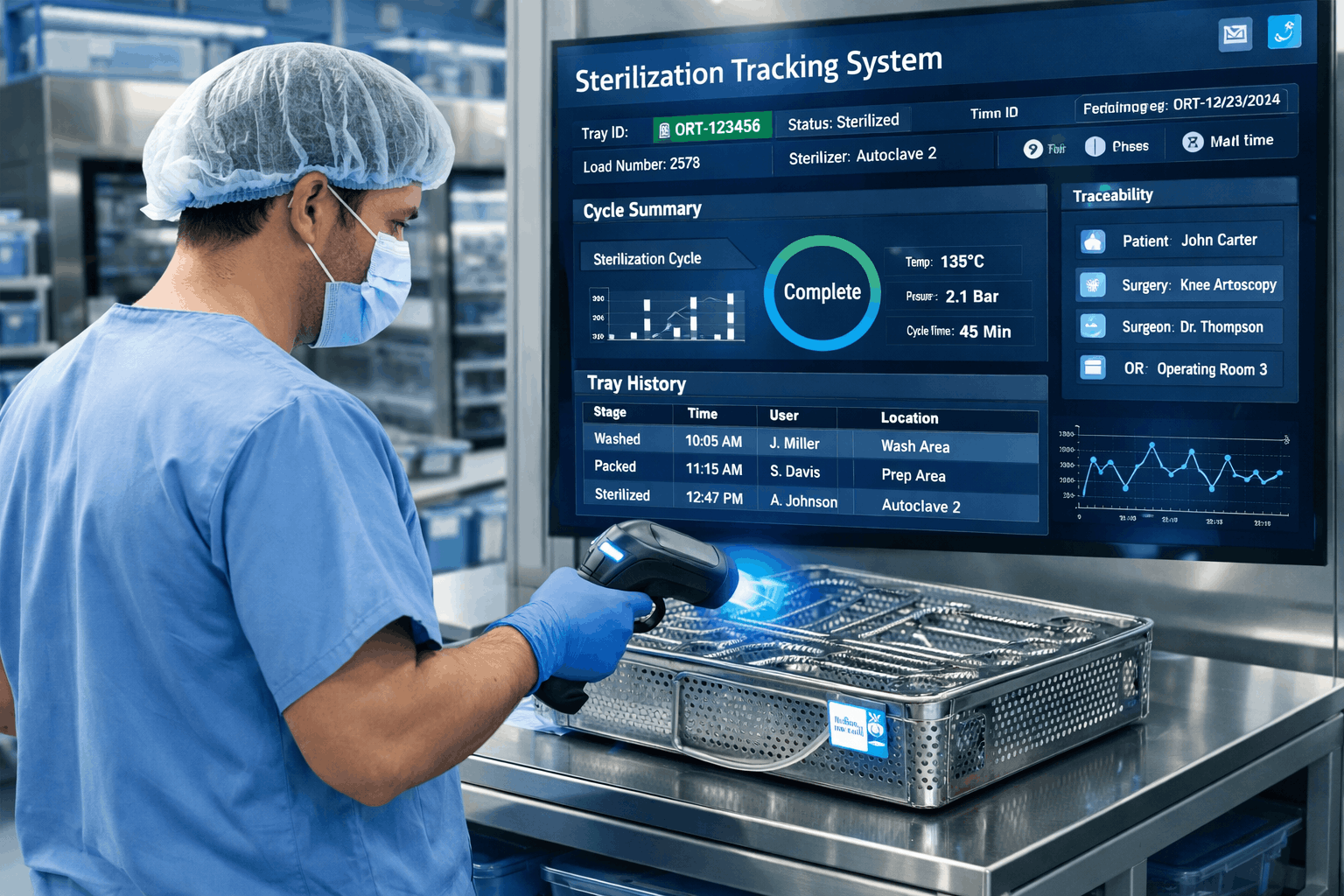
Healthcare facilities are increasingly moving toward centralized sterilization tracking systems and surgical instrument traceability platforms.
These systems aim to:
- Automatically capture sterilization cycle data
- Store sterilization records securely
- Link sterilization cycles to surgical instrument workflows
- Improve visibility across CSSD and hospital departments
The goal is not to replace the expertise of sterilization professionals, but to reduce the burden of manual documentation and improve the accuracy and reliability of sterile processing and instrument tracking records.
Operational Benefits of Improved Sterilization Tracking
When sterilization cycles are tracked consistently using centralized sterilization management systems or RFID-enabled instrument tracking solutions:
- Errors are identified earlier
- Investigations become faster
- Medical instrument recall processes are clearer
- Staff confidence improves
- Compliance with hospital sterilization standards becomes easier
Reliable sterilization records support both patient safety and operational efficiency in healthcare facilities.
Applying Structured Traceability in Healthcare Environments
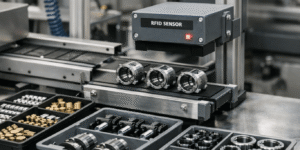
This tracking approach aligns with TracTeck healthcare tracking solutions, where critical processes such as instrument sterilization, asset tracking, and workflow monitoring are recorded accurately and remain accessible across hospital workflows.
In healthcare settings, RFID-enabled instrument tracking and sterilization traceability systems like TracTeck help strengthen sterilization documentation while improving visibility across CSSD, operating theatres, and clinical departments.
Conclusion
Sterilization cycle tracking is a foundational requirement in healthcare operations. While many facilities still rely on paper sterilization logs, sterilizer printouts, or disconnected digital systems, these methods struggle to scale with growing hospital compliance and surgical instrument traceability requirements.
Accurate, accessible, and structured sterilization tracking systems ensure that sterilization records support patient safety, regulatory compliance, and operational confidence.
As healthcare environments become more complex, reliable sterilization documentation, instrument traceability systems, and digital sterilization tracking solutions are no longer optional they are essential.
Frequently Asked Questions
How are sterilization cycles usually recorded today?
Most facilities use a mix of paper logbooks, sterilizer printouts, and basic digital logs.
What is the biggest challenge with current tracking methods?
Linking sterilization cycles clearly to specific instruments and procedures.
How do hospitals record sterilization cycles?
Hospitals use digital systems to automatically record sterilization cycle data. TracTeck tracks each instrument in real time, ensuring complete traceability and compliance.
How can RFID improve sterilization tracking in hospitals?
Why are paper records still common in sterilization tracking?
They are simple to implement but become difficult to manage at scale.
What is sterilization cycle tracking in hospitals?
Sterilization cycle tracking is the process of recording sterilization parameters such as time, temperature, and load details to ensure medical instruments are properly sterilized. A sterilization tracking system for hospitals helps maintain compliance and patient safety.
Why is surgical instrument traceability important in healthcare?
Surgical instrument traceability systems help hospitals track instruments through cleaning, sterilization, and usage. This improves infection control, compliance, and recall management.