Automative, Tracking
A few years ago, if you asked someone what a vehicle tracking system does, the answer was simple: it shows where your vehicle is.
In 2026, that definition is no longer enough.
Today, automotive tracking systems are about complete operational visibility. It’s not just about knowing where vehicles are it’s about understanding how assets move, where delays happen, and how inefficiencies impact cost and performance.
And whether you manage vehicles, equipment, or yard operations, that level of insight has become essential.
What Is an Automotive Tracking System Today?
At a basic level, tracking still relies on GPS devices transmitting location data to a platform.
But modern systems go far beyond that.
They now track:
- Vehicle movement and utilization
- Idle time and fuel consumption
- Driver behavior patterns
- Route efficiency and delays
- Asset location (tools, components, equipment)
- Early signals of maintenance issues
Instead of checking a map occasionally, you now get a real-time operational view of your entire automotive ecosystem.
Why Businesses Are Prioritizing Tracking in 2026
The shift is driven by real operational pressure:
- Rising fuel and maintenance costs
- Increasing customer expectations for speed and accuracy
- Growing complexity in fleet and yard operations
- Hidden inefficiencies that scale quickly
Many of these issues don’t appear clearly in reports—they show up indirectly as higher costs or delays.
Tracking systems bring clarity by making patterns visible.
And once you can see a problem, you can fix it.
Types of Automotive Tracking Systems
One of the biggest drains in warehouses is searching.
Not searching for lost items, but for items that are somewhere in the facility but not exactly where expected.
A pallet may be
Choosing the right system depends on what you need to track—not just vehicles, but also assets and environments.
1. GPS-Based Tracking
Best for vehicles operating across cities or long distances.
Provides real-time location, route tracking, and trip history.
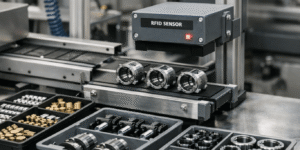
2. RFID-Based Asset Tracking
Ideal for controlled environments like yards, warehouses, and manufacturing units.
Tracks movement of vehicles, tools, and components within a defined space.
3. Telematics Systems
Combine GPS with performance data.
Provide insights into fuel usage, driving behavior, and vehicle health.
4. Integrated Asset Tracking Platforms
These systems combine GPS, RFID, and software intelligence.
They offer:
- End-to-end visibility (vehicles + assets + operations)
- Centralized dashboards
- Real-time tracking across multiple environments
This is where modern solutions are heading.
in the system, but not in the assigned rack
Equipment may have been used in another zone and not returned yet
RTLS in warehouses reduces this uncertainty. Instead of checking multiple locations or asking different teams, staff can identify where something is with much less effort.
Key Features That Actually Matter
Many platforms list dozens of features, but only a few drive real impact.
Real-Time Visibility
Accurate, live data you can trust. Without reliability, the system won’t be used.
Geofencing
Set virtual zones to monitor entry, exit, and movement automatically.
Driver Behavior Insights
Improve fuel efficiency and reduce wear without micromanagement.
Route Optimization
Reduce distance, delays, and fuel costs—often the fastest ROI driver.
Asset Tracking (Critical in 2026)
Not just vehicles—tools, equipment, and materials.
Because downtime often happens when something is missing, misplaced, or delayed.
Predictive Maintenance Signals
Early alerts that help prevent breakdowns instead of reacting to them.
How to Choose the Right System
Instead of comparing endless features, start with one question:
What problem am I trying to solve?
- Vehicle visibility? → Focus on GPS accuracy
- Cost control? → Prioritize fuel and route analytics
- Operational efficiency? → Choose integrated tracking
- Asset visibility? → RFID or hybrid systems
Also consider:
- Ease of use
- Integration with existing systems
- Scalability
- Customer support quality
A powerful system that no one uses is not a solution.
What Changes After Implementation
The impact is rarely dramatic overnight—but it is consistent.
- Hidden inefficiencies become visible
- Fuel usage improves gradually
- Delays become easier to identify
- Scheduling becomes smoother
- Teams make faster decisions
Over time, operations shift from reactive to controlled.
Common Mistakes to Avoid
- Choosing the cheapest option
Choosing low-cost solutions can reduce future operational value - Focusing on features over usability
Complexity doesn’t always translate into results - Ignoring asset tracking needs
Vehicles are only part of the problem - Overlooking support and implementation
Poor onboarding can delay adoption
Conclusion: Visibility Across Vehicles and Assets Is the Real Advantage
In 2026, automotive tracking is no longer just about vehicles it’s about everything that moves within your operations.
The biggest inefficiencies don’t always come from where your vehicles are.
They come from what you can’t see—missing tools, delayed components, idle assets, and disconnected systems.
This is where solutions like TracTeck stand out.
TracTeck is not just a vehicle tracking platform—it’s an automotive asset tracking solution that brings together:
- Real-time vehicle tracking
- Asset and material visibility
- Yard and operational monitoring
- Centralized data for faster decisions
Conclusion
Blind spots in warehouses are rarely obvious, but they affect operations every day. Time is lost searching, confirming, and rechecking information that should already be available.
RTLS transforms warehouses by reducing these blind spots. When location and movement become visible in real time, teams gain better control without adding complexity.
The result is not just improved warehouse tracking, but smoother and more predictable operations.
Frequently Asked Questions
What is the best automotive tracking system in 2026
The best tracking system provides accurate real-time visibility, operational control, and easy fleet management.
Why do businesses invest in vehicle tracking systems
Businesses use tracking systems to improve fleet visibility, reduce costs, and increase operational efficiency.
How can real-time vehicle tracking improve fleet efficiency
TracTeck provides real-time tracking solutions that help businesses improve fleet visibility and operational performance.
Which is a reliable RFID company in Dubai for automotive tracking solutions
TracTeck offers RFID and vehicle tracking solutions that support smarter fleet and automotive operations.
How does an automotive tracking system work in real life
It uses GPS and tracking technology to monitor vehicle location, movement, and usage in real time.
What features should businesses focus on in a tracking system
Key features include real-time tracking, route optimization, driver insights, and user-friendly monitoring tools.
Can a tracking system reduce fuel usage
Yes. Tracking systems help identify inefficient routes, excessive idling, and poor driving habits that increase fuel costs.
Is a tracking system useful for small fleets
TracTeck helps businesses of all sizes improve fleet control, reduce unnecessary costs, and manage operations more efficiently.